Decoding Incan Megalithic Engineering: The Structural Mastery of Mᴀssive Stone Walls

Dating back to the late pre-Columbian period around the 15th century during the height of the Inca Empire under the rule of Emperor Pachacuti, monumental stone architecture stands as a testament to profound engineering prowess. The intricate ᴀssembly of mᴀssive, finely dressed stone blocks found throughout the Andean highlands continues to captivate modern researchers and visitors alike. Rather than existing as isolated museum pieces, these megalithic structures remain preserved directly in their original architectural contexts, offering an extraordinary window into the centralized state organization, urban planning, and technological sophistication of the ancient Inca civilization.
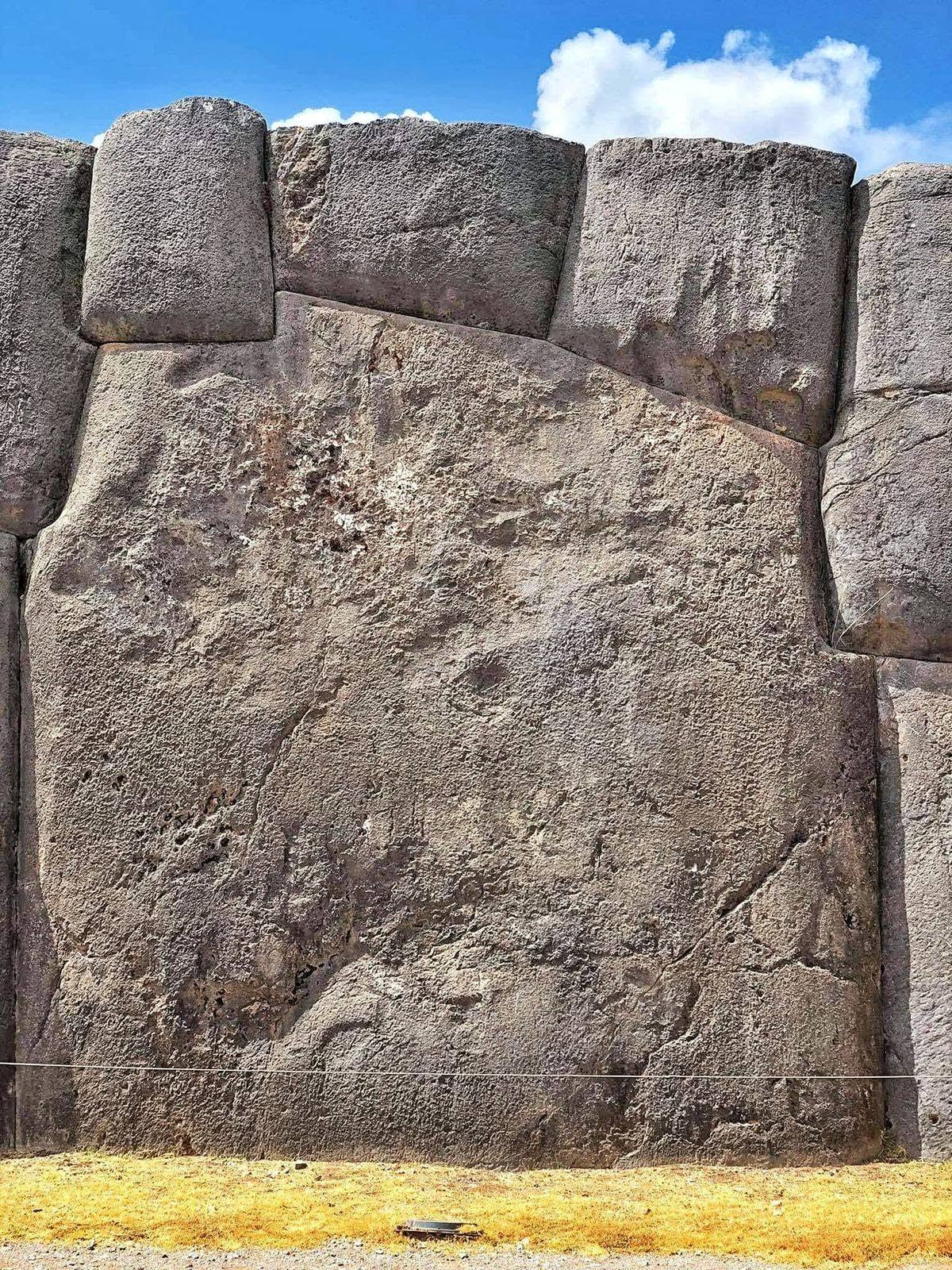
The primary archaeological provenance of these remarkable stone structures is situated within the high-status imperial complexes and sacred administrative centers of Peru, most notably in and around the historic city of Cusco and surrounding sacred valleys. Because these monumental walls have remained standing and integrated into regional landscapes through centuries of continuous habitation, subsequent colonial building campaigns, and modern urbanization, they were never “discovered” through a single isolated excavation event in the traditional sense. Instead, their documentation, mapping, and scientific evaluation have evolved through generations of rigorous archaeological study, architectural analysis, and structural surveys conducted by prominent researchers and international insтιтutions seeking to understand indigenous Andean building traditions.

From a material and technological standpoint, these walls are constructed from exceptionally dense igneous and metamorphic rocks, predominantly hard granites, diorites, and volcanic stones that were painstakingly quarried from nearby mountainsides. The detailed crafting process involved incredible patience, physical labor, and precision; master masons shaped, pounded, and ground each block using stone hammers and bronze implements to achieve тιԍнт dry-stone joints without the use of any mortar. The resulting masonry is characterized by smooth, slightly convex faces and meticulously fitted polygonal seams, where individual blocks contour around one another with microscopic tolerances, reflecting an advanced mastery of geometry and material science.

Beyond their aesthetic and technical brilliance, these mᴀssive stone configurations fulfilled a critical functional and structural role, most notably in seismic hazard mitigation. The Andean region is prone to severe ground tremors that routinely fracture and collapse conventional rigid structures built with mortar. The puzzle-piece geometry of Inca polygonal masonry allows walls to act as flexible, kinetic systems during earthquakes, permitting individual blocks to shift microscopically and settle back into place without causing catastrophic structural collapse. This ingenious architectural adaptation ensured the remarkable longevity of imperial retaining walls, palaces, and fortifications, many of which survived catastrophic earthquakes that devastated later colonial European buildings.
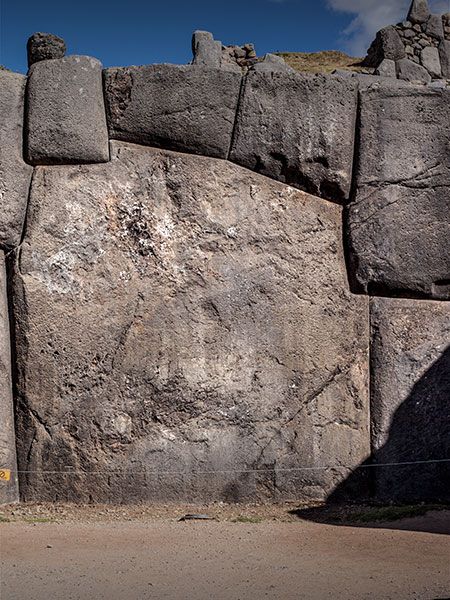
The ongoing interpretation of these remarkable construction methods has been significantly shaped by multidisciplinary archaeological investigations, drawing on pioneering field studies by scholars such as Jean-Pierre Protzen and John H. Rowe, who conducted meticulous experimental analyses on Inca quarrying, transport logistics, and stone-fitting techniques. While the individual stonemasons of antiquity remain anonymous, their collective mastery reflects a highly centralized state organization capable of mobilizing specialized labor guilds. Today, these monumental sites are legally protected under Peruvian cultural heritage laws and are safeguarded within protected archaeological zones, continuing to inspire global academic inquiry into the ingenuity of ancient builders.
✓ hoangduc
Dating back to the late pre-Columbian period around the 15th century during the height of the Inca Empire under the rule of Emperor Pachacuti, monumental stone architecture…